Eucharistic Adoration
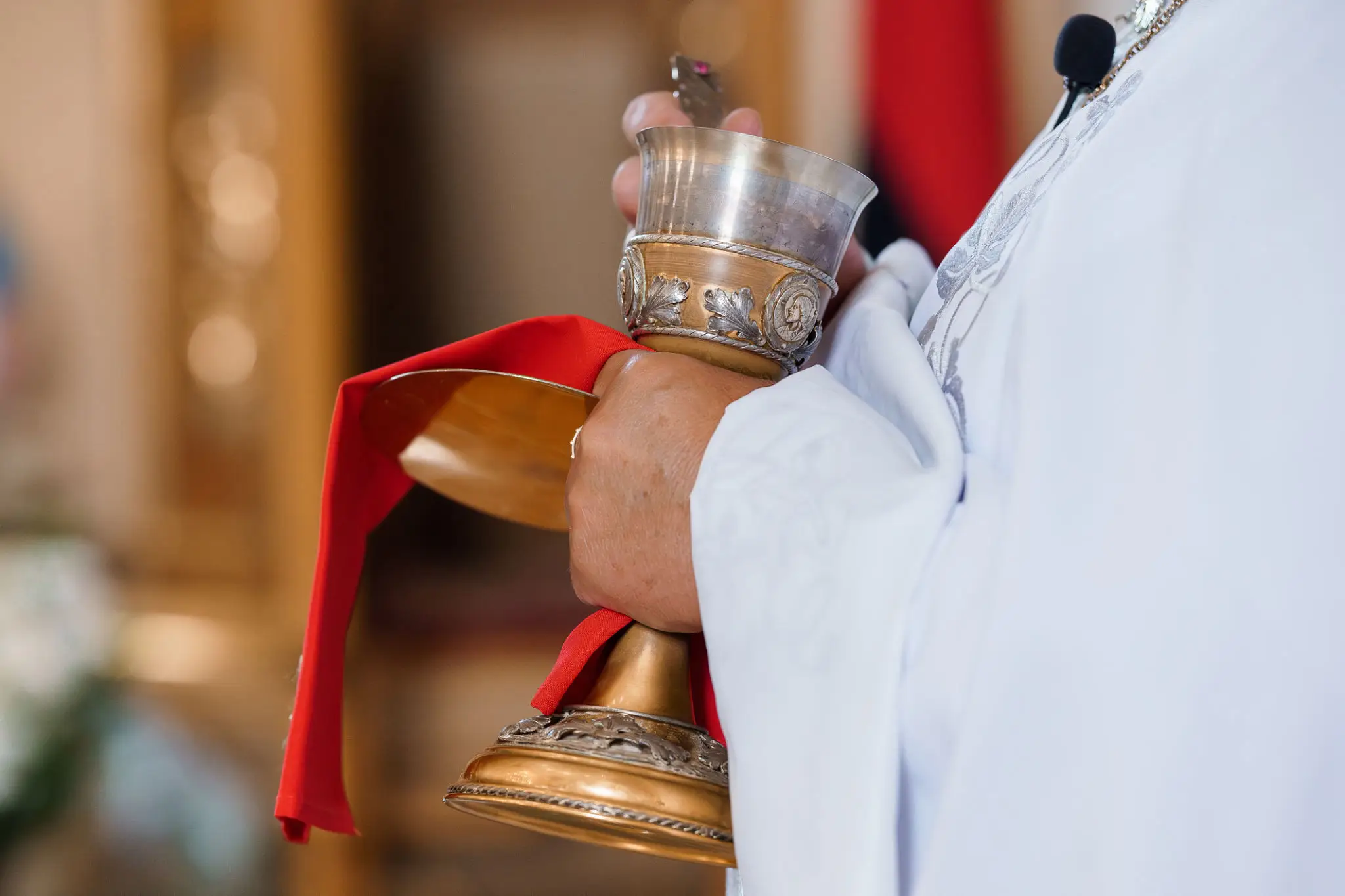
Eucharistic Adoration is a Catholic devotional practice of worshiping Jesus Christ present in the consecrated Eucharist, outside of Mass.
During Eucharistic Adoration:
- The Blessed Sacrament is exposed—usually in a monstrance (a sacred vessel)—for the faithful to adore.
- Adoration may be silent or include prayers, hymns, Scripture readings, or reflections.
- It can be brief or extended, ranging from a few minutes to perpetual adoration (24/7 prayer in designated chapels).
Purpose:
Catholics believe Jesus is truly present—body, blood, soul, and divinity—in the Eucharist.
- Adoration is a way to:
- Express love and reverence for Christ.
- Deepen personal prayer and reflection.
- Seek spiritual healing, guidance, and peace.
- It flows from the belief that the Eucharist is not just symbolic, but a real encounter with Christ.
Historical and Liturgical Roots:
- The practice dates back to early Christianity and became more formalized in the Middle Ages.
- It is regulated by Church rites, such as the Order of Eucharistic Exposition and Benediction.
- Often includes traditional prayers like the Tantum Ergo and Anima Christi (make these a link to the prayer).
For Beginners:
- You don’t need to say anything—just being present is enough.
- Many begin by silently meditating, reading Scripture, or praying the Rosary.
- It’s a time to simply “be” with Christ, in stillness and trust
- Tell Jesus you love Him